Exploring Andersonville: A Sobering Chapter of Civil War History
If you’re visiting Americus, Georgia, a stay at the Americus Garden Inn Bed and Breakfast offers not only cozy accommodations but also a convenient gateway to one of the most poignant historical sites in the United States—Andersonville National Historic Site located just a 15 minute drive away. Built in 1847, before the Civil War, the Americus Garden Inn itself is a piece of history, allowing guests to experience southern hospitality in a home that witnessed the era it now commemorates.
The Civil War Prison Crisis
When the American Civil War began, neither the North nor the South was prepared to handle the massive number of prisoners captured during battle. Early in the war, soldiers were often released under informal parole agreements, promising not to return to combat. A formal exchange system was later implemented, but it collapsed when the Confederacy refused to exchange captured black soldiers.
This breakdown led to extreme overcrowding in prisons, and makeshift facilities were rapidly established. Across more than 150 prison sites, over 400,000 Union and Confederate soldiers were held captive. Tragically, approximately 56,000 soldiers died from disease, starvation, and exposure.
Andersonville: The Most Infamous Civil War Prison
Of all Civil War prisons, Andersonville is perhaps the most notorious. At its peak, 45,000 Union soldiers were confined within its walls. In just 14 months, nearly 13,000 men died due to inhumane conditions, cementing Andersonville’s place in history as a symbol of wartime suffering.
The Sultana Disaster: A Tragic Return Home
When prisoners were finally released, many set sail north on the steamboat Sultana from Vicksburg, Mississippi. Designed for 376 passengers, it carried over 2,500 soldiers on this fateful voyage.
The U.S. government had incentivized the trip, paying $5 per enlisted man and $10 per officer, which was significant at the time. Tragically, on April 27, 1865, the Sultana’s boilers exploded near Memphis, Tennessee, claiming 1,800 lives—making it the deadliest maritime disaster in American history, even surpassing the Titanic.
Honoring the Fallen: Clara Barton and Dorence Atwater
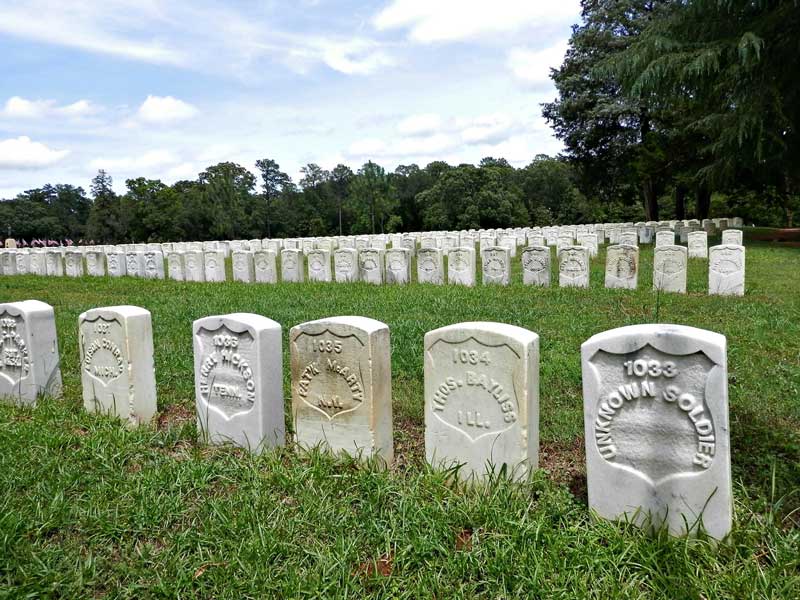
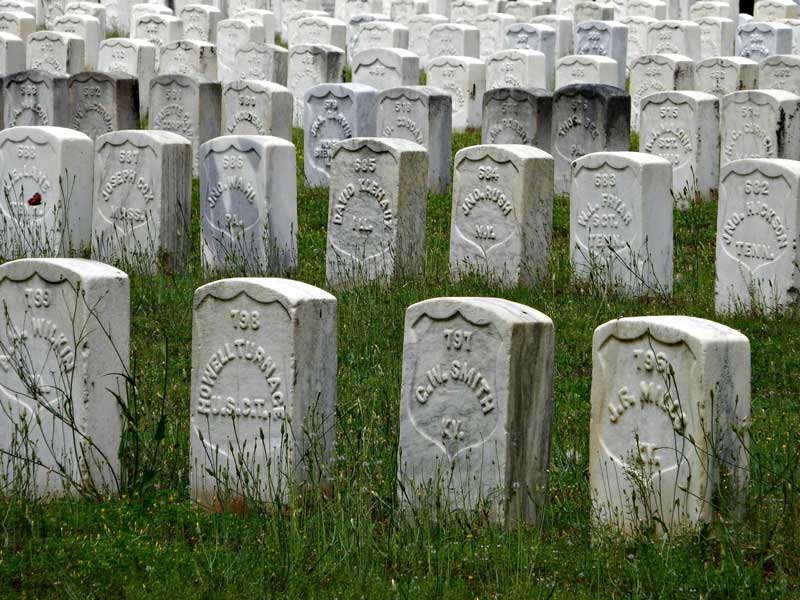
Thanks to meticulous record-keeping by Dorence Atwater, 95% of the graves at Andersonville were identified after the war. The work of Clara Barton, founder of the American Red Cross, was instrumental in helping families locate their missing loved ones.
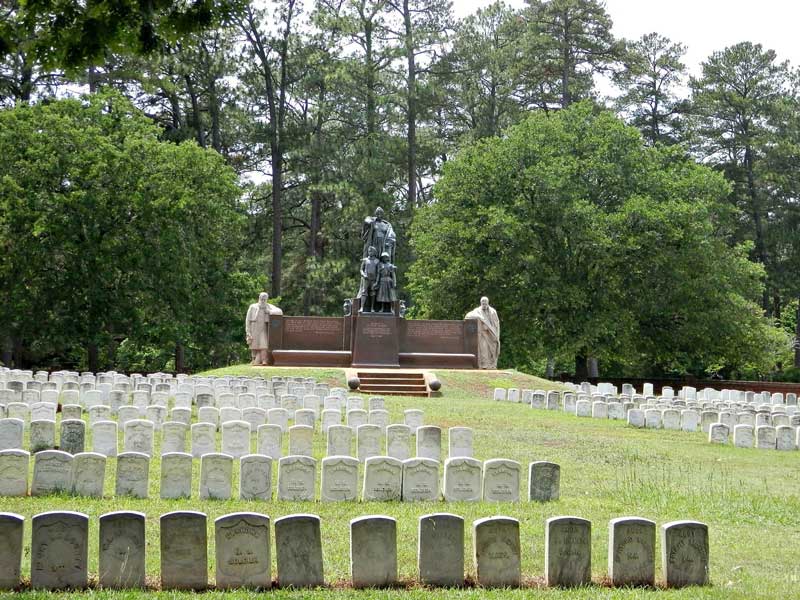
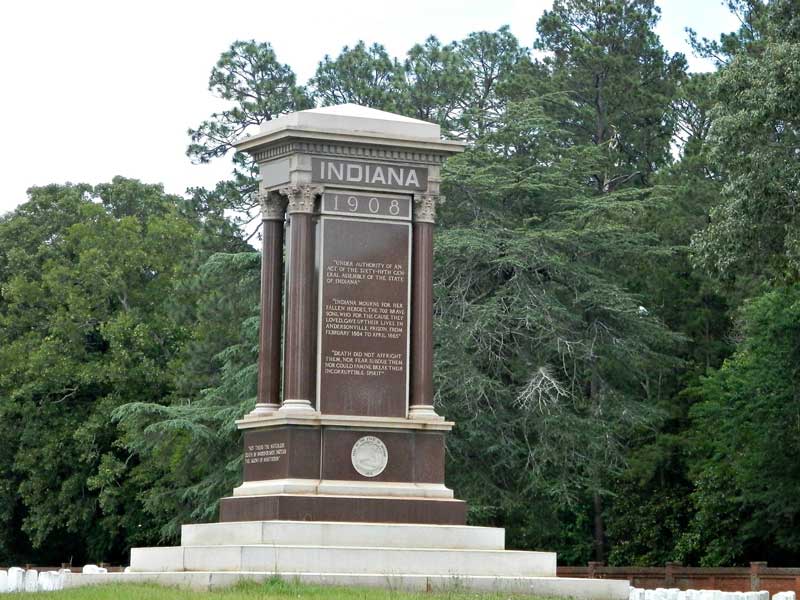
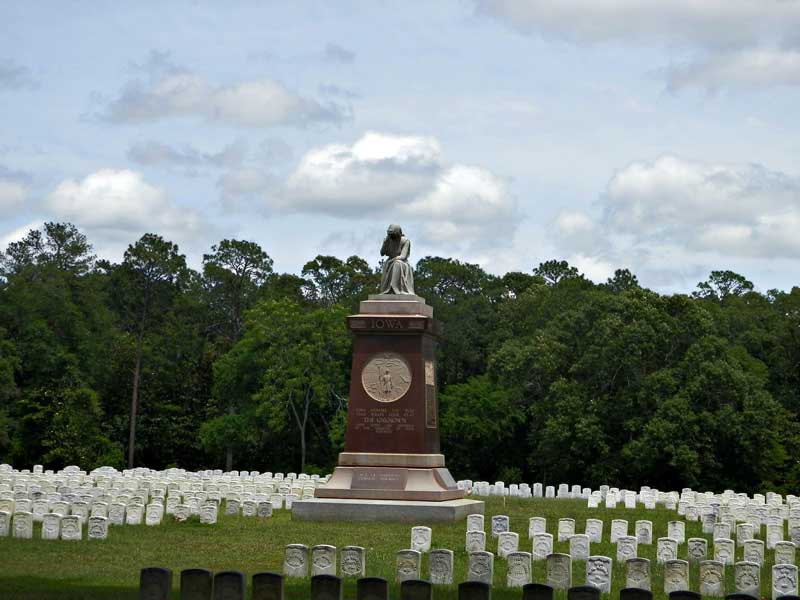
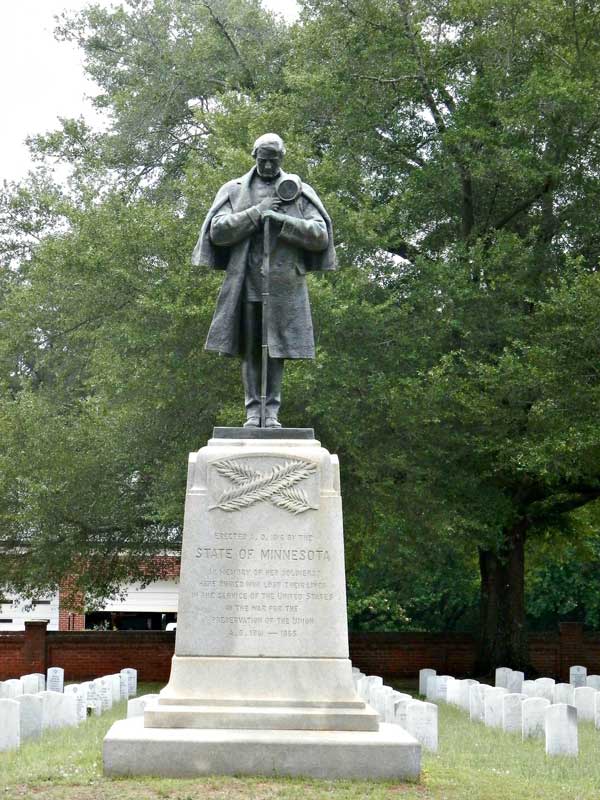
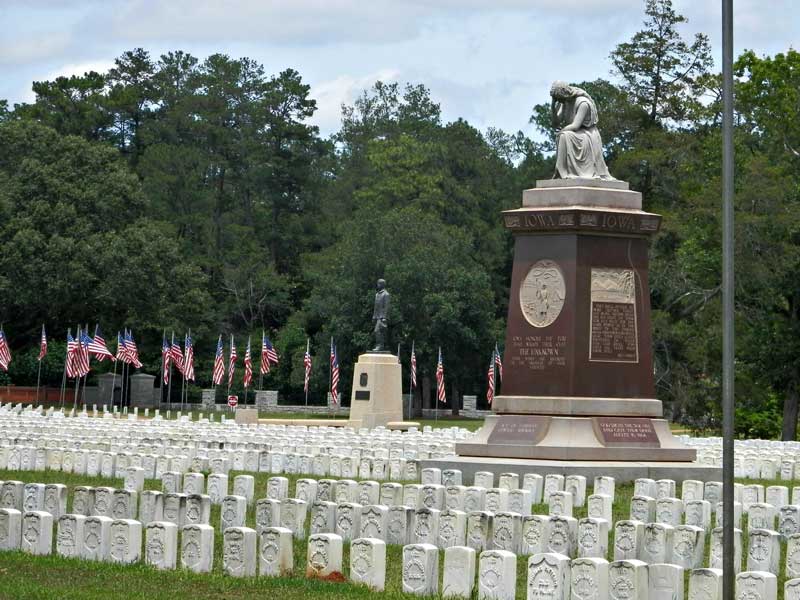
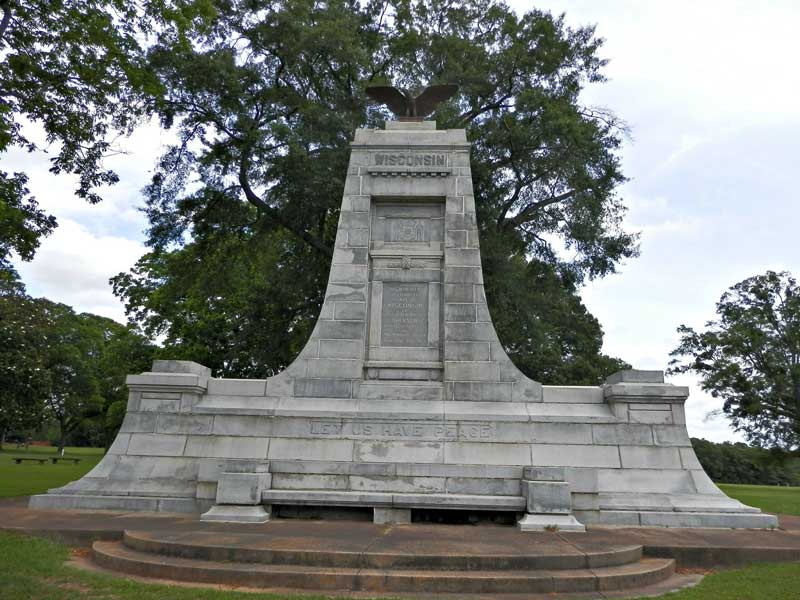
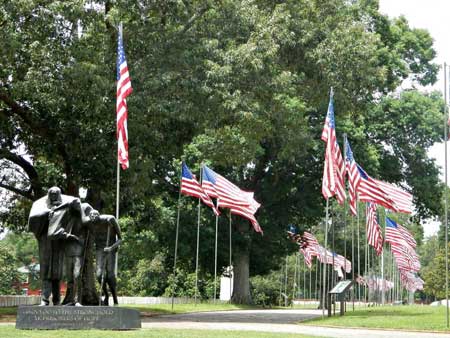
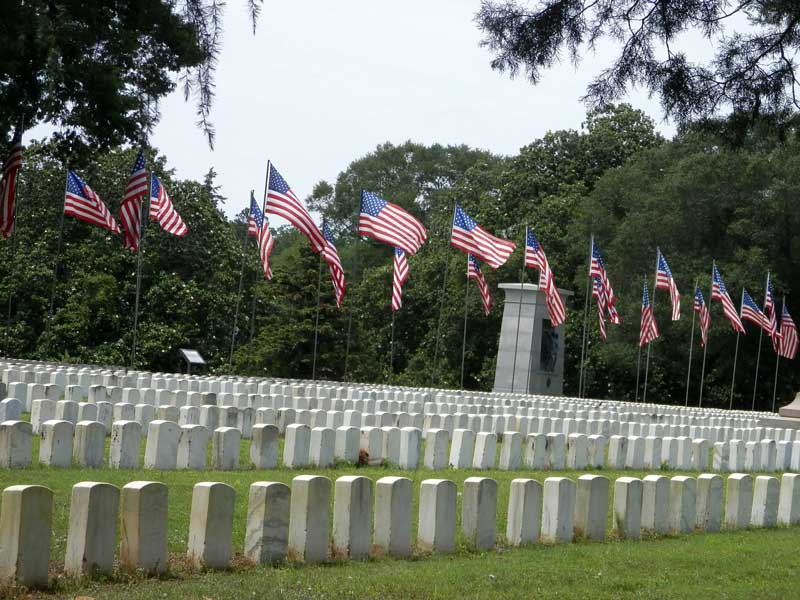
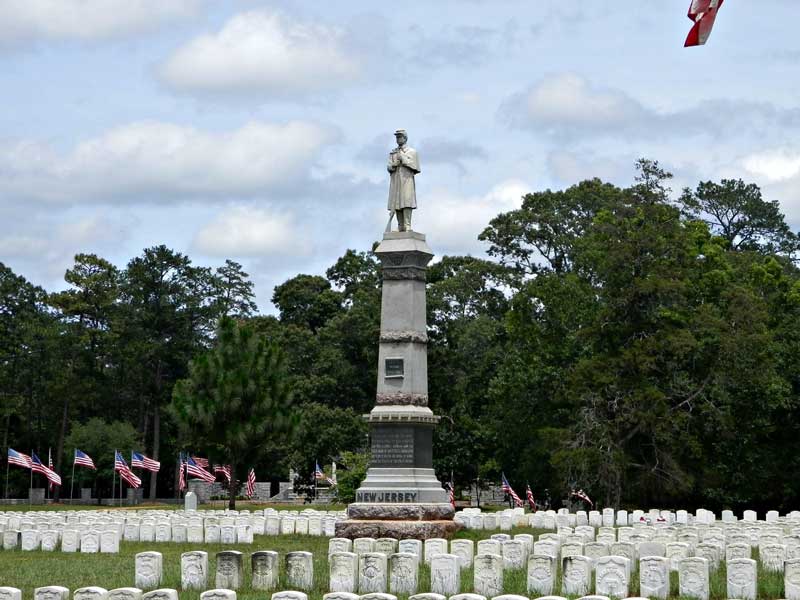
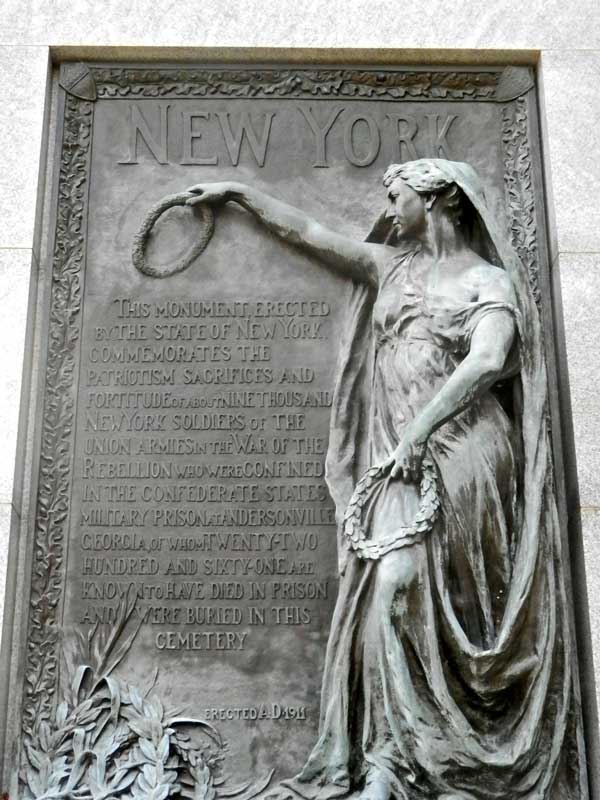
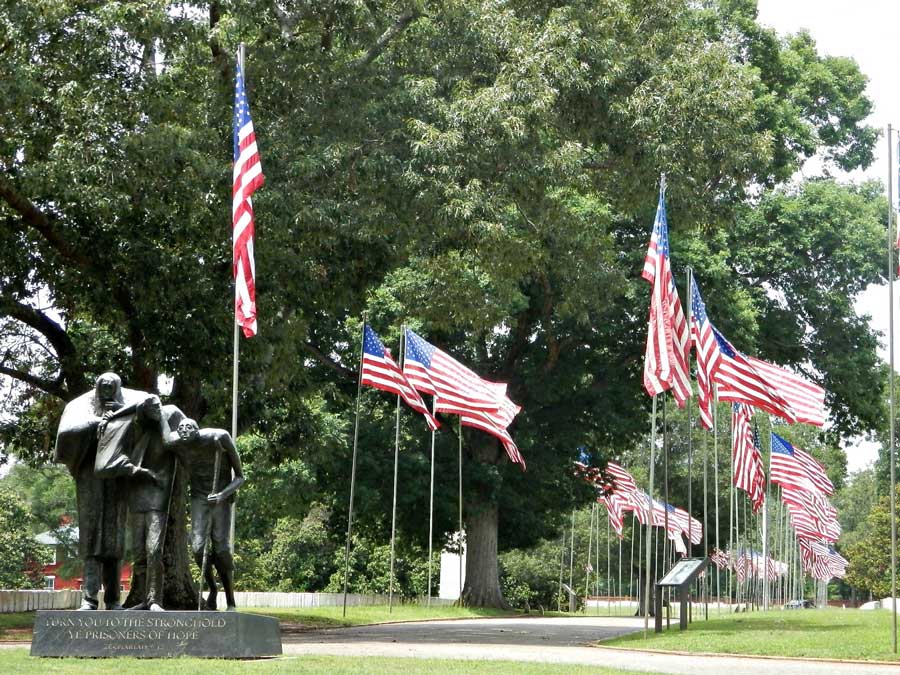
Today, visitors can explore numerous monuments and memorials honoring the soldiers who suffered and died at Andersonville. Many memorials also recognize American POWs from subsequent wars, preserving their legacy.
Virtual Tour of Andersonville Memorials
Below is a virtual tour of the monuments at Andersonville which allows you to reflect on the sacrifices made by these brave men and women from the comfort of your own home—or use it as a guide before your visit.
Plan your visit to Andersonville National Historic Site and make your stay at the Americus Garden Inn Bed and Breakfast a meaningful experience filled with history, remembrance, and southern hospitality.